I Ate Like a Mars Colonist for Seven Days — and My Grocery Receipt Was the Real Mission Log
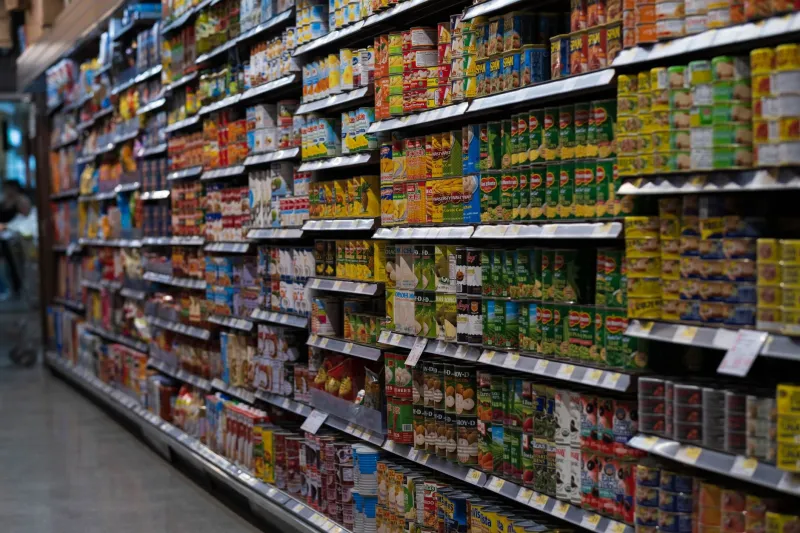
Last week I decided to eat like a Mars colonist for seven days. Not the freeze-dried ice cream version. The real-ish version: shelf-stable foods, minimal water use, low waste, and a menu built from what mission planners might actually stock before a greenhouse starts producing. I kept a grocery receipt, a water log, and a running list of complaints. The complaints were the most scientific part.
The rules I set
I allowed canned and dried goods, tortillas, oats, rice, lentils, peanut butter, tuna pouches, and shelf-stable hummus. I limited fresh produce to nothing — this was a pantry week, not a farmers market fantasy. I kept cooking water low, reused rinse water when safe, and tried to avoid single-use packaging. I did not pretend this was an official NASA diet. It was a home experiment with a grocery cart and a sense of humor.
The grocery list
Rolled oats: $3.49. Powdered milk: $8.99. Peanut butter: $3.99. Tortillas: $3.29. Canned black beans, three cans: $3.00. Canned diced tomatoes, two cans: $2.58. Instant brown rice: $3.99. Red lentils: $2.99. Tuna pouches, three: $4.50. Dried apricots: $4.99. Raisins: $2.99. Protein bars, five: $7.45. Shelf-stable hummus: $3.99. Olive oil: $6.99. Spice blend: $2.99. Freeze-dried vegetable mix: $9.99. Coffee: $4.99. Total: $78.42. I already had salt, pepper, garlic powder, and soy sauce, so those did not hit the receipt.
That is about $11.20 per day. It is not cheaper than my normal week, mostly because the freeze-dried vegetables and protein bars are pricey. But it was shelf-stable, compact, and low-waste. The packaging filled one small bag, not a landfill-themed art installation.
What I actually ate
Breakfast was oats with powdered milk, raisins, and a spoon of peanut butter. Lunch was a tortilla with tuna or hummus, plus dried fruit. Dinner rotated between a lentil-rice-tomato pot and a bean-rice-tomato pot, both seasoned aggressively. Snacks were protein bars, raisins, and the occasional spoon of peanut butter straight from the jar, which is not a Mars protocol but is a human protocol.
The taste verdicts
Day 1: Good. The lentil pot tasted like a real dinner. I felt smug.
Day 2: Fine. The tortilla lunch is a solid vehicle for hummus and denial.
Day 3: Texture fatigue hit. Everything was soft, chewy, or saucy. I wanted a carrot with a crunch that could be heard in the next room.
Day 4: I discovered that toasted tortillas in a dry pan improve morale by at least 30 percent. Add this to the mission planning literature.
Day 5: I would have traded a minor appliance for a cucumber. Instead, I added extra freeze-dried vegetables and pretended it was a salad.
Day 6: The bean pot was comforting. The raisins were not. I started rationing the apricots like they were fuel cells.
Day 7: I felt oddly proud. I also felt ready to eat an entire bowl of fresh greens. The experiment worked, but it was not a长期 lifestyle plan.
What the week taught me
First, fiber matters. Canned beans and lentils kept things moving, which is a polite way of saying the digestive system noticed the change. Second, sodium sneaks in through canned goods and bars; drink water and read labels. Third, variety is not a luxury. Spices, hot sauce, and texture contrast are morale equipment. Fourth, water efficiency is a daily habit, not a stunt. Soaking lentils and using instant rice saved time and water, but cleanup still added up.
Fifth, and maybe most important: food is not just calories. It is routine, comfort, and a way to mark time. A Mars crew will need menu variety, familiar flavors, and something crunchy. My week was a tiny, low-stakes version of that problem. It also made me appreciate the unglamorous work of pantry planning — the same work that goes into emergency kits, camping boxes, and long-duration mission menus.
Would I do it again?
Yes, for a shorter stretch or as a pantry-reset challenge. I would add more spices, a hot sauce, and a better vegetable strategy. I would also budget more for shelf-stable produce and less for protein bars. If you want to try your own Mars pantry week, start with a three-day version, keep a water log, and do not pretend you are proving anything about real Mars missions. You are learning about resilience, planning, and how much you miss crunchy food. That is enough. And if you want to compare notes or stock a better field pantry, Marspedia's gear and education guides are a good place to start.