So You Want to Train Like a Mars Astronaut? Here's What It Actually Takes
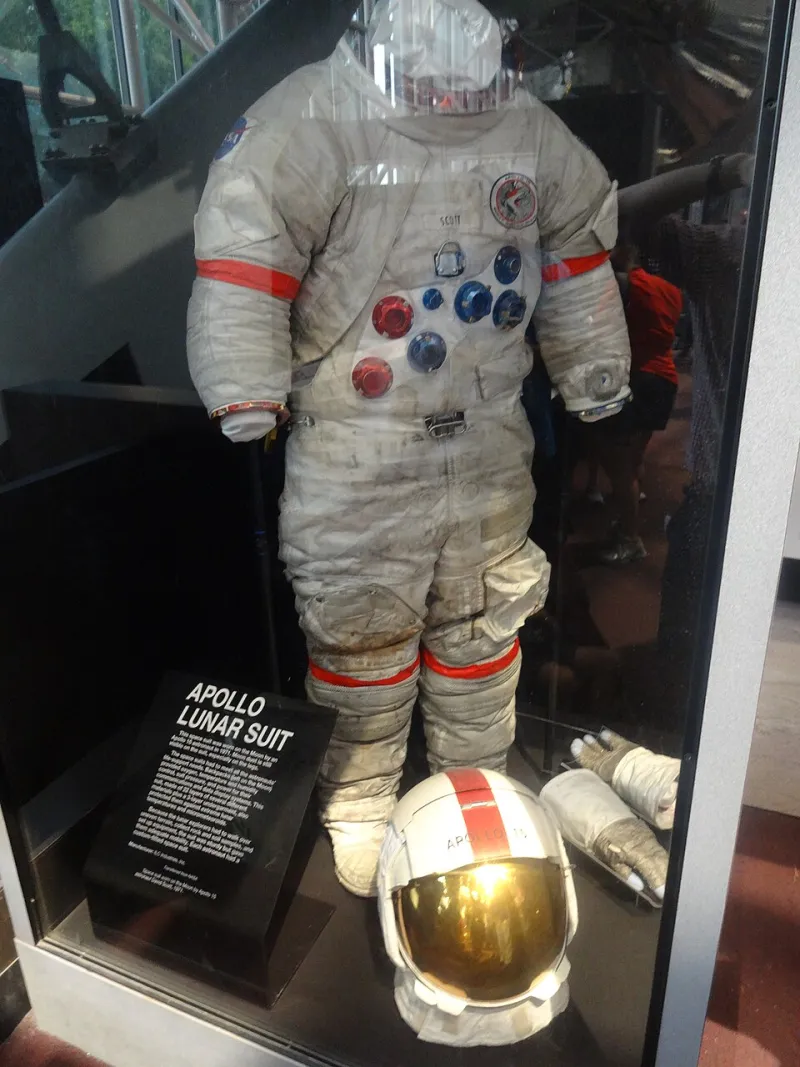
Photo: Vintage Fan 5678, CC BY 4.0, via Wikimedia Commons
Maybe it started with a documentary. Or a SpaceX livestream. Or just one too many late nights reading about Olympus Mons. Whatever sparked it, you're here — wondering if there's a real path from your couch to something that actually resembles Mars exploration. Good news: there is. And it's more achievable than you think.
NASA-affiliated analog missions — simulations conducted in Mars-like environments here on Earth — have been running for decades. Programs like the HI-SEAS habitat in Hawaii, the Mars Desert Research Station (MDRS) in Utah, and the CHAPEA habitat at Johnson Space Center give participants a genuine taste of what long-duration Mars settlement might look like. These aren't vacation packages or theme park rides. They're serious research programs that demand real skills, real gear, and a real commitment to science.
So what does it actually take to get there — or at least to start preparing like you mean it?
The Habitat Reality Check
First, let's calibrate expectations. Analog astronauts don't spend their days gazing at red sunsets. A typical simulation day involves monitoring life support systems, conducting geological surveys in full EVA (extravehicular activity) suits, maintaining equipment logs, preparing calorie-counted meals from shelf-stable rations, and communicating with a mission support team under deliberate time delays that mimic the 3-to-22-minute signal lag between Earth and Mars.
Spaces are tight. Schedules are rigid. Crew dynamics are everything. Participants in past MDRS rotations have described the experience as equal parts science expedition, team-building exercise, and psychological endurance test.
"You're not just learning to operate equipment," said one former MDRS crew member in a community forum post that circulated widely among space enthusiasts. "You're learning to be a good crewmate when you're exhausted, isolated, and running on freeze-dried food for weeks."
Gear That Bridges the Gap
Here's where things get genuinely exciting for gear-heads and space enthusiasts alike. While you won't be suiting up in a $12 million NASA spacesuit anytime soon, the equipment analog astronauts rely on for field work is surprisingly accessible — and building your own kit is a fantastic way to develop hands-on familiarity.
Field geology tools are the backbone of any EVA simulation. A good rock hammer, hand lens (10x magnification is standard), sample bags, and a field notebook are essentials. These are the same tools professional geologists use, and learning to use them competently is a real skill analog programs look for in applicants.
Navigation and mapping gear matters enormously when you're operating in a remote, unfamiliar terrain. A quality handheld GPS unit, a topographic map of your training area, and a compass aren't just backup tools — they're primary instruments. Analog missions frequently restrict or simulate the loss of digital systems to test crew adaptability.
Communication equipment rounds out the basics. Handheld radios with clear range and battery life are a must for any simulated EVA. Programs like MDRS use VHF radios during surface operations, and getting comfortable with radio protocol — call signs, check-ins, proper reporting format — is a skill you can practice long before any formal application.
For anyone looking to gear up, Marspedia's curated shop carries a selection of field geology kits, navigation tools, and simulation-ready accessories that make a great starting point. Building your kit piece by piece is half the fun.
Skills That Actually Matter
The application processes for reputable analog programs are competitive. Reviewers aren't just looking for science degrees (though those help). They're looking for demonstrated competence in areas that translate directly to mission utility.
Emergency medical training tops almost every list. Wilderness First Responder (WFR) certification is frequently cited as a differentiator among applicants. In an isolated habitat, crew members need to handle medical situations without immediate outside help — exactly the reality of Mars.
Mechanical and systems troubleshooting is another high-value skill. Can you diagnose why a pump isn't working? Rewire a basic circuit? Perform a field repair on equipment under time pressure? Formal training in HVAC, electrical systems, or even automotive mechanics gives applicants a practical edge.
Scientific methodology — knowing how to design a hypothesis, collect uncontaminated samples, document findings, and write a coherent field report — is the intellectual backbone of any analog mission. You don't need a PhD, but you do need to be comfortable operating within a scientific framework.
Physical fitness shouldn't be an afterthought either. EVA suits are heavy and restrictive. Field traverses can cover miles of rough terrain. Candidates who arrive in solid cardiovascular and muscular condition are better equipped to focus on the mission rather than on surviving the day.
How to Start Right Now
You don't need to wait for an official program to begin training. In fact, showing up with demonstrated preparation is one of the best things you can do for your application.
Start hiking regularly in varied terrain — desert environments like the American Southwest are ideal analogs for Mars-like geology. Practice navigating with a map and compass rather than relying on your phone. Enroll in a WFR course (the National Outdoor Leadership School and Wilderness Medical Associates both offer excellent programs across the US). Volunteer with local geological surveys or citizen science initiatives.
And yes — get a telescope and start spending time with Mars in the sky. Understanding the planet's orbital cycles, opposition dates, and surface features from an observer's perspective gives you context that pure textbook study can't replicate. Our backyard Mars watching guide is a solid starting point if you're new to visual observation.
The Bigger Picture
Analog missions exist because the hardest problems in Mars exploration aren't purely technical — they're human. How do crews maintain cohesion over months of isolation? How do scientists stay rigorous when they're exhausted? How does a team make critical decisions with incomplete information and no lifeline?
Every hour you invest in developing real skills, building real gear knowledge, and cultivating the kind of calm, curious mindset that thrives under pressure is an hour that moves you closer to being genuinely useful in humanity's next great adventure.
Mars isn't waiting. Neither should you.